


Introduction
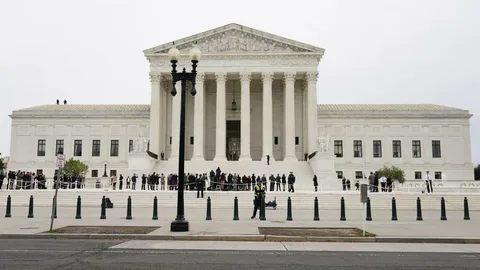
The Supreme Court is the highest judicial authority in many countries, including the United States, India, and Pakistan. It plays a crucial role in interpreting the constitution, protecting fundamental rights, and ensuring that laws are applied fairly. As the final court of appeal, the Supreme Court has the power to shape national policies and influence the direction of a country’s legal system. Understanding its role helps citizens appreciate how justice and constitutional balance are maintained in a democracy.
What Is the Supreme Court
The Supreme Court is the top-level court in a nation’s judicial hierarchy. It stands above all lower courts and has the final say on important legal and constitutional matters. When lower courts issue decisions that are disputed, cases can be appealed to the Supreme Court for final judgment.
This court typically deals with constitutional interpretation, major civil and criminal appeals, and disputes between government institutions. Because of its authority, its decisions set legal precedents that lower courts must follow.
Key Powers of the Supreme Court
One of the most important powers of the Supreme Court is judicial review. This allows the court to examine laws or government actions and declare them unconstitutional if they violate the constitution. This power acts as a strong check on the legislative and executive branches.
The Supreme Court also has appellate jurisdiction, meaning it hears appeals from lower courts. In some countries, it has original jurisdiction in special cases, such as disputes between provinces or states.
Another critical function is the protection of fundamental rights. Citizens can approach the Supreme Court directly when they believe their constitutional rights have been violated.
Structure of the Supreme Court
The structure of the Supreme Court varies by country, but it generally consists of a chief justice and several associate or senior judges. The number of judges is usually defined by law or the constitution.
Judges of the Supreme Court are typically appointed through a formal process involving the executive branch and sometimes legislative approval. They are expected to remain independent and impartial while deciding cases.
The court usually operates in panels or benches that hear cases and issue written judgments explaining the legal reasoning behind each decision.
Importance in a Democratic System
The Supreme Court is essential for maintaining the rule of law. It ensures that no individual, institution, or government body is above the constitution. By reviewing laws and government actions, the court protects democratic values and prevents abuse of power.
It also promotes legal consistency. Because lower courts follow Supreme Court precedents, the legal system remains stable and predictable. This consistency builds public trust in the justice system.
Furthermore, the Supreme Court often plays a key role during constitutional crises, election disputes, and major national controversies. Its decisions can have long-lasting social and political impact.
Landmark Decisions and Influence
Throughout history, Supreme Courts around the world have delivered landmark rulings that changed societies. These decisions have addressed civil rights, freedom of speech, electoral disputes, and government powers.
Such rulings demonstrate how the Supreme Court can influence public policy without making laws directly. By interpreting the constitution, the court shapes how laws are applied in real life.
Challenges and Criticism
Despite its importance, the Supreme Court is not free from criticism. Some critics argue that courts sometimes become too involved in political matters. Others debate the transparency of judicial appointments.
Another challenge is the heavy case backlog in many countries, which can delay justice. Maintaining judicial independence while ensuring accountability remains an ongoing balance for Supreme Courts worldwide.
Future of the Supreme Court
As societies evolve, the role of the Supreme Court continues to expand. New issues such as digital privacy, artificial intelligence, and global human rights are increasingly reaching top courts.
To remain effective, Supreme Courts must adapt to modern legal challenges while preserving their core mission of delivering fair and impartial justice.
Conclusion
The Supreme Court stands as the guardian of the constitution and the protector of citizens’ rights. Its authority to interpret laws, review government actions, and deliver final judgments makes it one of the most powerful institutions in a democracy. While it faces challenges, its role in maintaining justice and constitutional balance remains essential for the stability and fairness of any modern state.


Comments are closed