


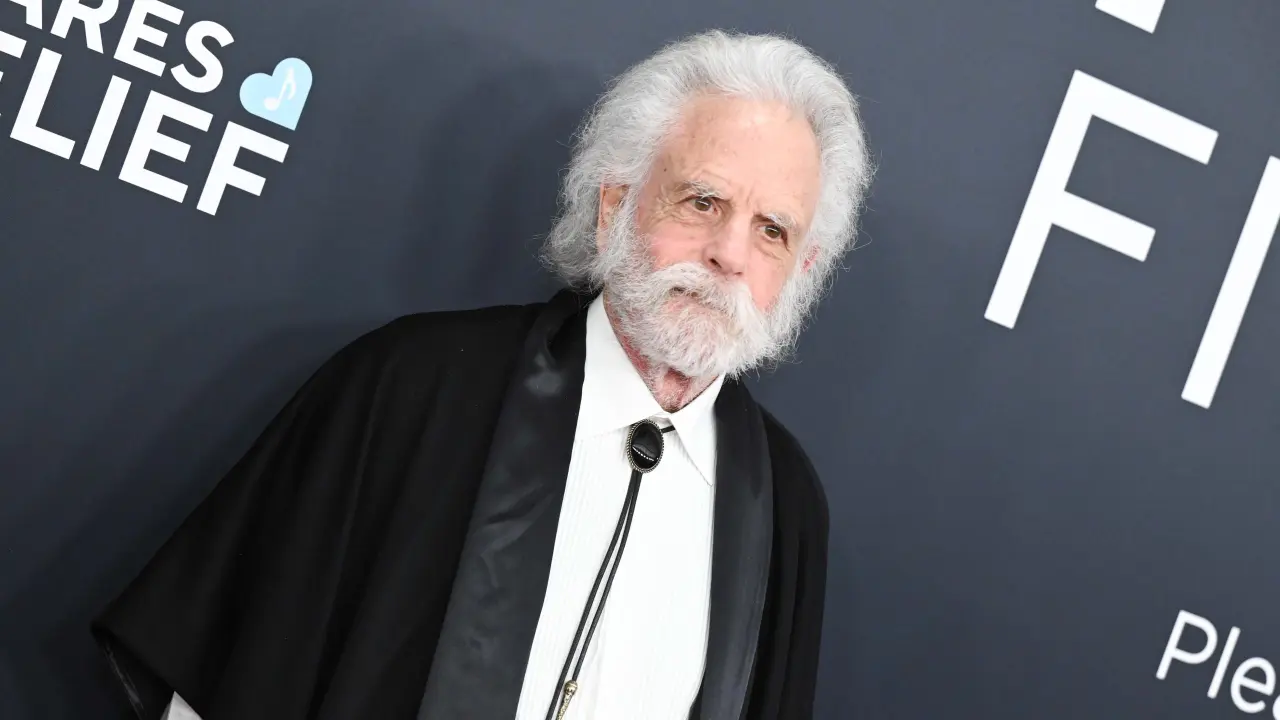
Bob Weir is one of the most influential figures in American rock history. Best known as a founding member of the Grateful Dead, Weir helped shape a musical movement that went far beyond hit songs and charts. His work blended rock, folk, blues, country, and improvisational jam music, creating a sound that inspired generations of musicians and fans. Even decades after the Grateful Dead’s peak years, Bob Weir remains active, creative, and deeply respected in the music world.
Early Life and Musical Beginnings
Bob Weir was born on October 16, 1947, in San Francisco, California. He grew up with a love for music but did not follow a traditional path of formal training. As a teenager, he met Jerry Garcia, a meeting that would change the course of rock music history. The two bonded over folk and blues, quickly realizing they shared a vision for something new and experimental. This partnership became the foundation of the Grateful Dead.
Formation of the Grateful Dead
In the mid-1960s, Bob Weir joined forces with Jerry Garcia, Phil Lesh, Bill Kreutzmann, and Ron McKernan to form the Grateful Dead. The band became known for long, improvisational live performances that were never the same twice. Weir’s rhythm guitar style was unconventional, focusing on complex chord shapes and syncopated rhythms rather than simple strumming. This approach helped define the band’s unique sound.
Role as a Songwriter and Performer
Bob Weir was not only a guitarist but also a talented songwriter and vocalist. He co-wrote many well-known Grateful Dead songs, often collaborating with lyricist John Perry Barlow and Robert Hunter. Songs like Truckin, Sugar Magnolia, and Playing in the Band showcased his energetic vocals and creative vision. On stage, Weir brought charisma and structure to the band’s free-flowing jams, balancing Garcia’s lead guitar explorations.
The Live Performance Legacy
One of Bob Weir’s greatest contributions to music is his dedication to live performance. The Grateful Dead became legendary for their concerts, and Weir played a central role in shaping that experience. He believed live music should be an evolving conversation between musicians and audience. This philosophy helped create the devoted fan base known as Deadheads, who followed the band from city to city.
Life After the Grateful Dead
After the death of Jerry Garcia in 1995, many believed the Grateful Dead era had ended forever. However, Bob Weir continued to carry the spirit of the band forward. He formed and joined several projects, including RatDog, Furthur, and later Dead and Company. These groups introduced the music of the Grateful Dead to younger audiences while keeping the original essence alive.
Dead and Company Era
Dead and Company, featuring Bob Weir alongside John Mayer, became one of the most successful touring acts of the modern jam band scene. Weir’s presence ensured authenticity, while the band’s fresh lineup brought new energy. Fans praised Weir for his ability to adapt while staying true to the music’s roots. His performances showed that age did not limit creativity or passion.
Bob Weir’s Influence on Modern Music
Bob Weir’s influence extends far beyond his own bands. Many modern rock, jam, and alternative artists cite him as an inspiration. His rhythm guitar techniques are studied by musicians who want to break free from traditional roles. His emphasis on collaboration, improvisation, and musical honesty has shaped live music culture across genres.
Personal Philosophy and Longevity
One reason Bob Weir remains relevant is his personal philosophy. He has spoken openly about discipline, health, and continuous learning. Over the years, he transformed his lifestyle, focusing on fitness and mindfulness. This commitment allowed him to continue touring and performing well into his later years, setting an example for artists worldwide.
Conclusion
Bob Weir is more than a rock musician; he is a cultural icon. From his early days with the Grateful Dead to his ongoing performances with Dead and Company, his journey reflects creativity, resilience, and evolution. His music continues to bring people together, proving that great art has no expiration date. Bob Weir’s legacy is firmly rooted in the past, alive in the present, and influential for the future of rock music.







Comments are closed