


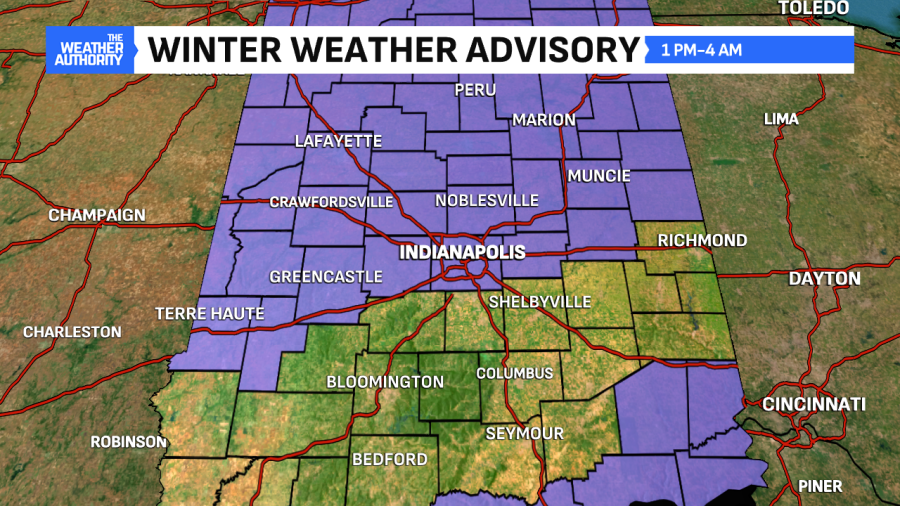
A winter weather advisory is an important alert issued when winter conditions may cause inconvenience or safety concerns. While not as severe as major storm warnings, it signals that snow, freezing rain, or icy roads could create hazardous situations. Understanding a winter weather advisory helps individuals and communities prepare before conditions worsen.
These advisories are common during colder months and are meant to reduce accidents and weather-related risks.
What Is a Winter Weather Advisory
A winter weather advisory is issued when moderate winter conditions are expected. This may include light to moderate snowfall, sleet, freezing rain, or icy surfaces that could affect travel and outdoor activities.
Unlike a winter storm warning, an advisory does not indicate life-threatening conditions. However, it does suggest that weather may disrupt daily routines and require extra caution.
The purpose of this alert is to encourage preparedness rather than panic.
Conditions That Trigger an Advisory
Several weather patterns can lead to a winter weather advisory. These include slow-moving cold fronts, moisture-heavy storm systems, and temperature fluctuations around the freezing mark.
Common triggers include:
• Snow accumulation that makes roads slippery
• Freezing drizzle creating black ice
• Mixed precipitation causing reduced visibility
• Sudden temperature drops overnight
Even small amounts of ice can significantly increase accident risk.
How Winter Weather Advisories Affect Daily Life
Winter weather advisories often impact transportation first. Roads may become slick, public transit can experience delays, and air travel may face cancellations.
Schools and businesses may adjust schedules, especially during early morning hours. Emergency services often experience higher call volumes during advisory periods due to traffic incidents and weather-related injuries.
Outdoor activities and commuting require added attention when these alerts are active.
Difference Between Advisory, Watch, and Warning
Understanding weather alert levels is essential.
A winter weather advisory indicates caution is needed.
A winter storm watch means severe conditions are possible.
A winter storm warning signals dangerous weather is expected or already occurring.
Knowing these differences helps people respond appropriately and avoid unnecessary risks.
Safety Tips During a Winter Weather Advisory
Preparation and awareness are key during advisory conditions.
Drivers should reduce speed, increase following distance, and avoid sudden braking. Keeping an emergency kit in vehicles is highly recommended.
Pedestrians should wear proper footwear to prevent slips and limit time outdoors when surfaces are icy.
At home, maintaining indoor warmth and checking heating systems can prevent frozen pipes and power strain.
Importance of Staying Informed
Weather conditions can change rapidly. A winter weather advisory may be upgraded if storms intensify.
Monitoring local forecasts and official alerts allows people to adjust plans accordingly. Smartphone notifications and weather radio systems provide timely updates.
Staying informed ensures that small problems do not turn into emergencies.
Impact on Infrastructure and Services
Even moderate winter weather can stress infrastructure. Ice accumulation may affect power lines, while snow buildup can slow public services.
Road crews often work continuously during advisory periods to apply salt and clear routes. Utility companies monitor systems closely to prevent outages.
Prepared communities recover faster and experience fewer disruptions.
Winter Weather and Health Risks
Cold weather increases the risk of hypothermia and frostbite, especially for individuals exposed for extended periods.
Older adults, young children, and people with health conditions are more vulnerable. Checking on neighbors during cold events can help prevent medical emergencies.
Carbon monoxide risks also rise when alternative heating sources are used improperly, making ventilation and safety checks critical.
Travel Planning During Advisory Conditions
Travel should be planned carefully during winter weather advisories. Allowing extra time, avoiding unnecessary trips, and informing others of travel plans can improve safety.
Visibility may decrease due to snow or fog, and untreated roads can quickly become hazardous after sunset.
When possible, postponing travel remains the safest option.
Role of Weather Forecasting
Meteorologists use satellite imagery, radar, and temperature modeling to predict winter systems. These tools allow advisories to be issued early, giving communities time to prepare.
Accurate forecasting plays a major role in reducing weather-related injuries and accidents.
Public cooperation with advisories significantly improves safety outcomes.
Final Thoughts
A winter weather advisory serves as an early reminder to stay cautious during cold-season conditions. While not always severe, these events can still pose risks if ignored.
By understanding what an advisory means, staying informed, and taking simple precautions, individuals can protect themselves and others. Winter weather is unpredictable, but preparedness makes all the difference.


Comments are closed