



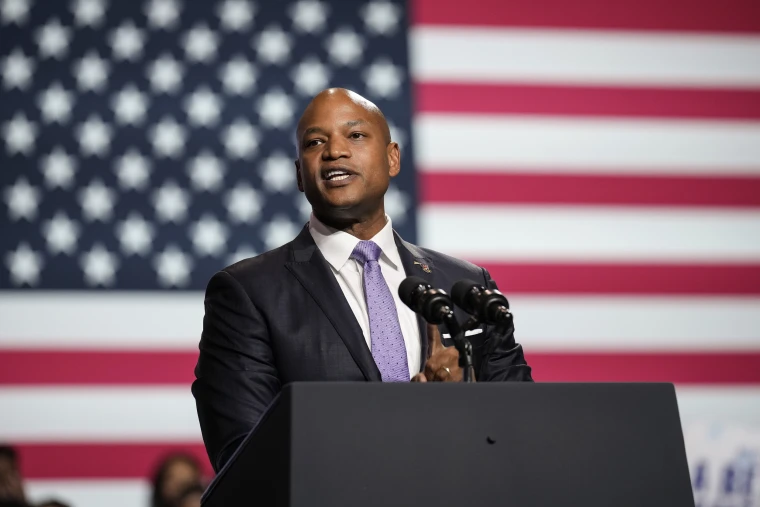
Maryland Governor Wes Moore and Lieutenant Governor Aruna Miller have officially filed to run for re-election in 2026. The announcement sets the stage for one of the most closely watched statewide elections in Maryland history. Voters and political analysts are now closely watching how their campaign strategy unfolds for the 2026 Maryland governor race.
First Term Achievements of Governor Wes Moore and Lieutenant Governor Aruna Miller
Since taking office, Governor Wes Moore has emphasized economic development, job creation, and workforce training programs across Maryland. His administration has also focused on supporting small businesses and promoting inclusive growth for all communities in the state.
Lieutenant Governor Aruna Miller has played a key role in transportation and infrastructure initiatives. With her engineering background, Miller has been instrumental in shaping policy on public transit, road safety, and sustainable infrastructure projects.
Key Policy Focus for the 2026 Maryland Election
The 2026 re-election campaign will highlight the Moore-Miller administration’s major policy priorities. Economic growth remains a top focus, with plans to expand technology investments, strengthen local businesses, and create new job opportunities for Maryland residents. Education reform is another priority, including improving public school quality, expanding access to early childhood education, and enhancing vocational training programs.
Public safety and law enforcement are also expected to be central topics. Governor Moore has focused on balanced approaches that combine community-based programs with strong police support. Infrastructure modernization, led by Lieutenant Governor Miller, will continue to emphasize sustainable transportation solutions, road improvements, and environmentally friendly energy projects.
Political Landscape and Election Challenges
Maryland’s 2026 governor race could be competitive despite the state’s strong Democratic leaning. Republican challengers are likely to focus on taxes, regulation, and public safety as key campaign themes. Independent voters may also have a significant impact on the election outcome.
The early filing for re-election allows the Moore-Miller campaign to mobilize support, strengthen grassroots outreach, and position themselves as a stable and experienced leadership team. Their strategy will likely emphasize their record of achievements and their long-term vision for Maryland’s growth and prosperity.
National Implications and Media Attention
Governor Wes Moore has already attracted national attention as a rising Democratic leader. A successful 2026 re-election campaign could further elevate his profile within the party and on the national stage. Lieutenant Governor Aruna Miller’s focus on infrastructure and transportation policy has also gained recognition, highlighting her as a key voice in regional and national policy discussions.
Political analysts note that the Moore-Miller campaign could set an example for future state leadership campaigns by combining progressive policies with practical governance. Their ability to communicate achievements and address voter concerns will be crucial in maintaining support across urban, suburban, and rural areas of Maryland.
Conclusion
The official filing of Governor Wes Moore and Lieutenant Governor Aruna Miller for the 2026 re-election campaign marks the start of a high-profile political battle in Maryland. Their first-term achievements in economic growth, education, public safety, and infrastructure modernization form the foundation of their campaign. As voters prepare for the 2026 Maryland governor race, the focus will be on evaluating their record, policy vision, and ability to address key issues facing the state. The outcome will shape Maryland’s leadership for the next four years and may influence the broader political landscape at the national level.
Comments are closed