


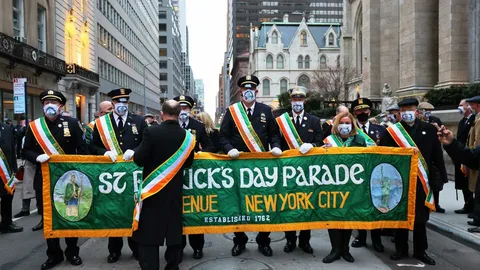
St. Patrick’s Day is celebrated every year on March 17 and is one of the most popular cultural and religious holidays in the world. Originally observed in Ireland, it has now become a global celebration of Irish culture, heritage, and traditions. From parades and music to wearing green and enjoying festive foods, St. Patrick’s Day brings people together in a lively and joyful atmosphere.
The History Behind St. Patrick’s Day
St. Patrick’s Day honors Saint Patrick, the patron saint of Ireland. He was born in Roman Britain in the late 4th century and was kidnapped at a young age by Irish raiders. After spending several years in captivity, he escaped and later returned to Ireland as a missionary.
Saint Patrick is credited with bringing Christianity to Ireland and converting many people to the faith. One of the most famous legends about him is that he used the shamrock, a small three-leafed plant, to explain the concept of the Holy Trinity. Over time, he became a symbol of Irish identity and spirituality.
The day of his death, March 17, was declared a religious feast day, and it gradually evolved into a celebration of Irish culture worldwide.
Traditions and Symbols
One of the most common traditions is wearing green. People also wear shamrocks, which symbolize Irish pride and heritage.
Parades are a major part of the celebrations, especially in cities like Dublin, New York, and Chicago. These parades feature marching bands, dancers, and colorful floats that showcase Irish culture.
Another important tradition is enjoying Irish food and drinks. Popular dishes include corned beef and cabbage, Irish stew, and soda bread. Music and dancing also play a big role, with traditional Irish tunes and step dancing performances adding energy to the festivities.
Global Celebrations
In the United States, it is one of the largest cultural celebrations, particularly in cities with strong Irish-American communities. New York City hosts one of the biggest parades, drawing millions of spectators each year.
Even countries with smaller Irish populations join in the celebrations by organizing events, festivals, and themed parties.
Interestingly, St. Patrick’s Day was once a more religious and quiet holiday in Ireland. However, with the influence of global celebrations, it has transformed into a vibrant festival within the country itself, attracting tourists from all over the world.
Cultural Importance
St. Patrick’s Day is more than just a day of fun; it is a celebration of identity and heritage. For people of Irish descent, it is a way to connect with their roots and honor their ancestors. For others, it is an opportunity to experience Irish culture and traditions.
The holiday promotes unity and inclusivity, as people from different backgrounds come together to celebrate. It highlights the influence of Irish culture on the global stage, from music and dance to literature and history.
Conclusion
St. Patrick’s Day has grown from a religious observance into a worldwide cultural celebration. It honors the legacy of Saint Patrick while showcasing the richness of Irish traditions. Whether through parades, food, music, or simply wearing green, the day brings joy and a sense of community to millions of people around the globe. As it continues to evolve, St. Patrick’s Day remains a powerful symbol of culture, history, and celebration.







Comments are closed