


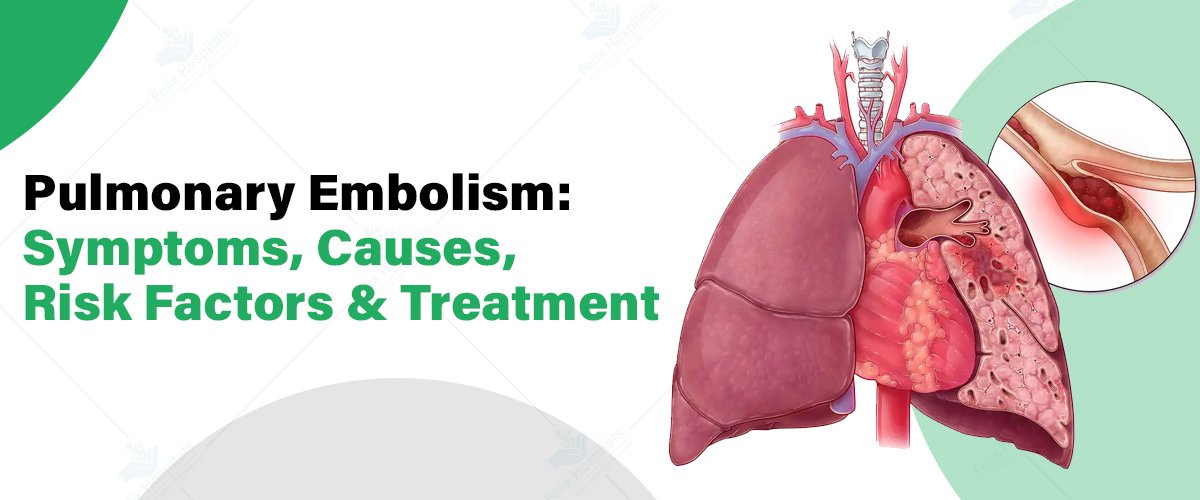
Pulmonary embolism is a serious and potentially life-threatening medical condition that occurs when a blood clot blocks one or more arteries in the lungs. Most often, the clot forms in the deep veins of the legs, a condition known as deep vein thrombosis, and then travels to the lungs. Pulmonary embolism can affect people of all ages and requires immediate medical attention to reduce the risk of complications or death.
What Causes Pulmonary Embolism
The primary cause of pulmonary embolism is a blood clot that travels to the lungs. Several factors increase the risk of clot formation. Prolonged immobility, such as long flights, bed rest after surgery, or extended hospital stays, slows blood flow and promotes clotting. Certain medical conditions, including cancer, heart disease, and clotting disorders, also raise the risk. Hormonal factors like pregnancy, oral contraceptives, and hormone replacement therapy can increase clot formation. Lifestyle factors such as smoking, obesity, and lack of physical activity further contribute to the likelihood of pulmonary embolism.
Common Symptoms of Pulmonary Embolism
Symptoms of pulmonary embolism can vary depending on the size of the clot and the individual’s overall health. Some people experience sudden shortness of breath, even at rest. Chest pain that worsens with deep breathing, coughing, or bending is another common sign. Rapid heartbeat, dizziness, anxiety, and excessive sweating may occur. In some cases, coughing up blood is reported. Mild pulmonary embolism may cause subtle symptoms, while severe cases can lead to fainting, low blood pressure, or sudden collapse.
Why Pulmonary Embolism Is Dangerous
Pulmonary embolism is dangerous because it blocks blood flow to the lungs, reducing oxygen levels in the body. This puts strain on the heart and can lead to heart failure if not treated promptly. Large or multiple clots can cause permanent lung damage or sudden death. Even smaller clots can be harmful if they are not diagnosed early, as they may lead to chronic complications such as pulmonary hypertension.
How Pulmonary Embolism Is Diagnosed
Diagnosing pulmonary embolism can be challenging because symptoms often resemble other conditions like heart attack or pneumonia. Doctors usually begin with a physical examination and medical history. Blood tests may be used to detect clot-related substances. Imaging tests such as CT pulmonary angiography are commonly used to confirm the presence of clots in the lungs. Ultrasound of the legs may help identify deep vein thrombosis. In some cases, chest X-rays and electrocardiograms are performed to rule out other causes of symptoms.
Treatment Options
Treatment for focuses on preventing the clot from growing and stopping new clots from forming. Blood-thinning medications are the most common treatment and help reduce the risk of further blockage. In severe cases, clot-dissolving medications may be used under close medical supervision. Some patients may require procedures to remove the clot or place a filter in the vena cava to prevent clots from reaching the lungs. Treatment duration depends on the cause of the clot and the patient’s risk factors.
Prevention of Pulmonary Embolism
Preventing involves reducing the risk of blood clot formation. Staying physically active and avoiding long periods of immobility is essential. During travel or extended sitting, regular movement and leg exercises can help maintain blood flow. Maintaining a healthy weight, quitting smoking, and managing chronic conditions like diabetes and heart disease also lower risk. Patients with a history of clots may be advised to take preventive medications or wear compression stockings.
Living After a Pulmonary Embolism
Recovery from varies from person to person. Many individuals return to normal activities with proper treatment and lifestyle changes. Follow-up care is important to monitor lung and heart function. Some people may experience ongoing shortness of breath or fatigue, which should be discussed with a healthcare provider. Long-term management focuses on preventing recurrence and improving overall cardiovascular health.
Conclusion
Pulmonary embolism is a serious condition that requires prompt diagnosis and treatment. Understanding its causes, symptoms, and prevention strategies can help reduce risks and improve outcomes. Early medical attention can save lives and prevent long-term complications. Awareness and proactive health measures play a crucial role in protecting against.


Comments are closed