


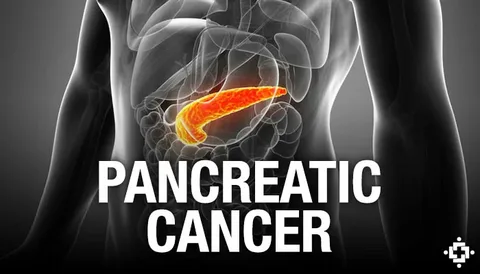
Pancreatic cancer is one of the most challenging forms of cancer in the world. It often develops quietly, showing few symptoms in its early stages. Because of late detection, many patients receive a diagnosis when the disease has already advanced. This has created a common and urgent question: is there a cure for pancreatic cancer? While a complete cure is not always possible, medical science continues to make progress through treatment options and ongoing research.
Understanding Pancreatic Cancer
The pancreas is an organ that helps regulate blood sugar and digestion. Cancer begins when abnormal cells grow uncontrollably in this gland. The most common type is pancreatic ductal adenocarcinoma. Risk factors include smoking, obesity, chronic pancreatitis, diabetes, age, and family history.
Symptoms may include abdominal pain, weight loss, jaundice, fatigue, and appetite changes. These signs often appear late, making early detection difficult.
Is There a Cure for Pancreatic Cancer
At present, there is no universal cure for pancreatic cancer. However, some patients can achieve long-term survival, especially when the cancer is detected early and treated aggressively. In medical terms, cure usually means removing all cancer cells with no recurrence over time.
Surgery currently offers the best chance for cure, but only a small percentage of patients qualify because the cancer must be confined to the pancreas.
Surgical Treatment Options
Surgery is the most effective treatment when pancreatic cancer is diagnosed early. The most common operation is the Whipple procedure, which removes part of the pancreas along with surrounding tissues.
When doctors remove the tumor completely and follow surgery with chemotherapy, survival rates improve. Unfortunately, many patients are not eligible for surgery due to late diagnosis or spread of the disease.
Chemotherapy and Radiation Therapy
Chemotherapy uses drugs to destroy cancer cells or slow their growth. It can be used before surgery to shrink tumors or after surgery to reduce the risk of recurrence. In advanced cases, chemotherapy helps control symptoms and extend life.
Radiation therapy uses high-energy rays to target cancer cells. Doctors may combine it with chemotherapy for better results. While these treatments do not guarantee a cure, they play an important role in disease management.
Targeted Therapy and Immunotherapy
Targeted therapy focuses on specific genetic changes in cancer cells. Some pancreatic tumors respond to drugs designed to block these mutations. Genetic testing now helps doctors select treatments more precisely.
Immunotherapy strengthens the body’s immune system to fight cancer. Although it has shown success in other cancers, pancreatic cancer remains difficult. Research continues to explore vaccines, immune checkpoint inhibitors, and combination therapies.
New Research and Clinical Trials
Medical research offers growing hope. Scientists are studying early detection methods, blood-based biomarkers, and artificial intelligence tools to identify cancer sooner.
Clinical trials test new drugs, therapy combinations, and advanced surgical techniques. Patients who participate may gain access to innovative treatments that are not yet widely available.
Progress may be gradual, but survival rates have improved compared to past decades.
Lifestyle Support and Symptom Care
Supportive care plays an important role during treatment. Pain management, nutritional support, and emotional counseling improve quality of life.
Healthy eating, physical activity within limits, and mental health care help patients tolerate treatment better. Family support and counseling also reduce stress during recovery.
While lifestyle changes cannot cure cancer, they strengthen the body and improve overall well-being.
Early Detection and Prevention
Early detection remains the greatest challenge. Routine screening is not yet available for the general population. However, people with a strong family history or genetic risk may benefit from monitoring programs.
Avoiding smoking, maintaining a healthy weight, managing diabetes, and eating a balanced diet may lower risk. Awareness of symptoms also helps in seeking early medical advice.
Future Hope for a Cure
Although pancreatic cancer remains serious, hope continues to grow. Advances in genetics, precision medicine, and immunotherapy are changing how doctors approach treatment.
Researchers aim to transform pancreatic cancer into a manageable chronic disease and eventually find a true cure. Every year brings new discoveries that move medicine closer to that goal.
Conclusion
Pancreatic cancer does not yet have a guaranteed cure, but treatment options continue to improve. Surgery, chemotherapy, radiation, and emerging therapies have extended survival and improved quality of life for many patients. Ongoing research and clinical trials offer hope for better outcomes in the future. With early detection, medical innovation, and continued scientific effort, the path toward a cure becomes stronger each year.


Comments are closed