


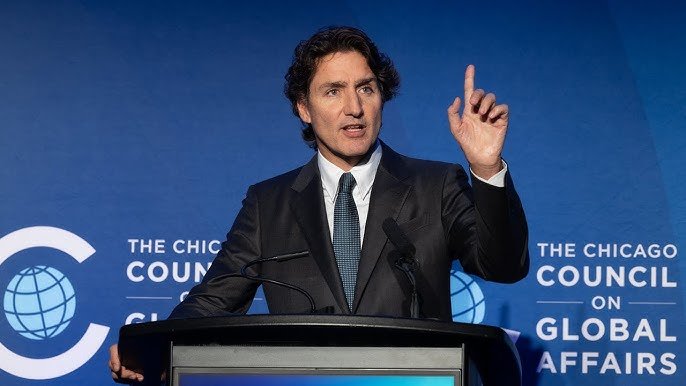
Justin Trudeau: A Political Profile and Leadership Overview
Justin Trudeau has been one of the most recognizable political leaders in Canada for more than a decade. As the leader of the Liberal Party and former Prime Minister of Canada, his leadership has shaped national debates on economics, immigration, climate policy, and international relations. His time in office has been marked by both strong public support and significant criticism, making him a central figure in modern Canadian politics.
Justin Trudeau first entered the political spotlight not only because of his policies but also because of his family legacy. As the son of former Canadian Prime Minister Pierre Elliott Trudeau, he grew up surrounded by politics and public service. However, his political journey was not immediate. Before entering Parliament, he worked as a teacher and engaged in community activities, which helped him build a public image grounded in youth engagement and education.
Trudeau officially entered politics in 2008 when he was elected as a Member of Parliament. Over time, he gained prominence within the Liberal Party, and in 2013 he became its leader. His leadership quickly revitalized the party, which had been facing declining support at the time. By 2015, he led the Liberals to a decisive electoral victory, becoming Prime Minister of Canada.
One of Trudeau’s key policy focuses has been economic growth combined with social support. His government introduced measures aimed at supporting middle-class families, including tax benefits and child support programs. These policies were designed to reduce income inequality and strengthen consumer spending. At the same time, his administration supported immigration policies that positioned Canada as one of the most welcoming countries for newcomers, helping address labor shortages and demographic challenges.
Another important aspect of his leadership has been environmental policy. Trudeau’s government committed Canada to international climate agreements and introduced carbon pricing mechanisms aimed at reducing greenhouse gas emissions. While supporters argue that these steps were necessary for environmental responsibility, critics have questioned their economic impact, particularly on industries such as oil and gas, which are significant contributors to Canada’s economy.
On the international stage, Justin Trudeau has worked to maintain Canada’s reputation as a cooperative and diplomatic nation. His government has engaged in trade negotiations, strengthened alliances with Western partners, and participated in global discussions on human rights and security. However, balancing domestic interests with international expectations has often been a complex challenge.
Trudeau’s leadership has also faced several controversies. Issues such as ethics investigations, political scandals, and debates over government transparency have at times overshadowed his policy agenda. These controversies have led to criticism from opposition parties and have influenced public perception of his leadership. Despite this, he has managed to maintain significant political support through multiple election cycles.
A defining characteristic of Trudeau’s political style is his emphasis on inclusivity and diversity. His government has prioritized gender-balanced cabinets and policies aimed at supporting minority communities. This approach has been widely praised internationally and has contributed to Canada’s global image as a progressive nation. However, critics argue that symbolic gestures must be matched with deeper structural reforms to achieve lasting change.
During crises such as the COVID-19 pandemic, Trudeau’s government implemented large-scale financial support programs for individuals and businesses. These measures were intended to stabilize the economy and protect citizens during unprecedented disruptions. While many Canadians benefited from these programs, they also significantly increased national debt, raising concerns about long-term fiscal sustainability.
Public opinion on Justin Trudeau remains divided. Supporters view him as a modern leader who represents progressive values and international cooperation. Critics, however, question his economic management and handling of political controversies. This polarization reflects the broader diversity of opinion within Canadian society.
As his political career continues to evolve, Justin Trudeau remains a key figure in shaping Canada’s future direction. His leadership has already left a lasting impact on areas such as social policy, environmental regulation, and immigration. Whether viewed positively or critically, his influence on Canadian politics is undeniable.
In conclusion, Justin Trudeau represents a complex and influential chapter in Canada’s political history. His leadership has combined progressive reforms with significant challenges, reflecting the realities of governing a diverse and dynamic nation. As Canada moves forward, his legacy will continue to be debated and analyzed for years to come.
Comments are closed