


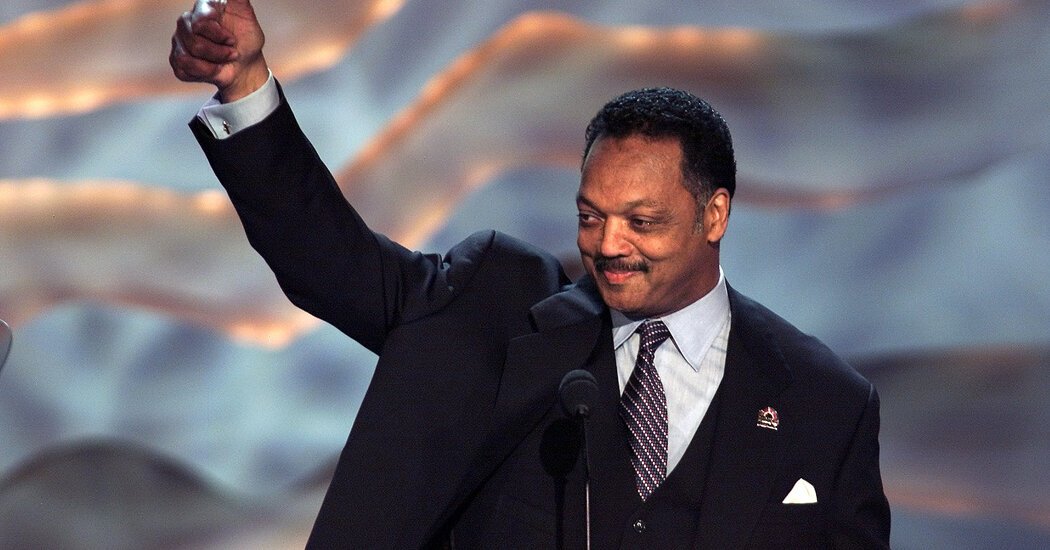
Jesse Jackson is one of the most influential civil rights leaders in modern American history. Known for his powerful speeches, tireless activism, and political campaigns, Jackson has spent decades fighting for racial equality, social justice, and economic opportunity. From marching alongside Martin Luther King Jr. to running for president, his life story reflects determination and leadership.
Early Life and Background
Jesse Louis Jackson Sr. was born on October 8, 1941, in Greenville, South Carolina. Growing up in the segregated American South, he experienced racial discrimination firsthand. These early experiences shaped his commitment to civil rights and equality.
Jackson attended the University of Illinois briefly before transferring to North Carolina A&T State University, where he became actively involved in student activism. During the 1960s civil rights movement, he joined Martin Luther King Jr.’s Southern Christian Leadership Conference (SCLC). Working closely with King gave Jackson national exposure and helped develop his leadership skills.
Role in the Civil Rights Movement
Jesse Jackson rose to prominence during the height of the civil rights movement. He participated in major campaigns focused on voting rights, economic justice, and desegregation. Jackson was present in Memphis in 1968 during the sanitation workers’ strike, shortly before Martin Luther King Jr. was assassinated.
After King’s death, Jackson continued pushing forward the movement’s goals. In 1971, he founded Operation PUSH (People United to Save Humanity). The organization focused on economic empowerment, education, and equal opportunity for African Americans and other marginalized communities.
Through Operation PUSH and later the Rainbow/PUSH Coalition, Jackson expanded his influence beyond traditional civil rights work into broader social justice issues.
Political Career and Presidential Campaigns
Jesse Jackson made history with his presidential runs in 1984 and 1988. His campaigns were groundbreaking because they built a diverse “Rainbow Coalition” that included African Americans, Latinos, labor groups, farmers, and progressive voters.
In the 1984 Democratic primary, Jackson shocked political observers by winning several states and millions of votes. However, it was his 1988 campaign that truly demonstrated his political strength. He won 11 primaries and caucuses, finished second overall, and helped reshape the Democratic Party’s approach to minority voters.
Although Jackson never secured the Democratic nomination, his campaigns opened doors for future diverse candidates and increased political participation among underrepresented communities.
Advocacy and Global Influence
Beyond U.S. politics, Jesse Jackson became known for international diplomacy and humanitarian efforts. He often served as an unofficial envoy, negotiating the release of American hostages in countries such as Syria, Cuba, and Iraq.
Jackson also spoke out against apartheid in South Africa and supported democratic movements worldwide. His global activism strengthened his reputation as a leader committed to human rights on an international scale.
Throughout the 1990s and 2000s, Jackson remained active in issues such as voting rights, education reform, and economic inequality. His organization, the Rainbow/PUSH Coalition, continues to promote social justice initiatives.
Criticism and Challenges
Like many high-profile leaders, Jesse Jackson’s career has not been without controversy. Critics have questioned some of his political strategies and public statements over the years. Additionally, shifting political landscapes and new generations of activists have sometimes reduced his visibility.
However, even critics acknowledge Jackson’s historic impact on American politics and civil rights. His work helped expand the national conversation around race, poverty, and political inclusion.
Legacy and Lasting Impact
Jesse Jackson’s legacy is deeply woven into the fabric of modern American civil rights history. He helped transform protest movements into political power and demonstrated that grassroots activism could influence national elections.
Many political leaders who came after him, including Barack Obama, benefited from the path Jackson helped create. His emphasis on coalition-building and voter mobilization remains a key strategy in modern politics.
Today, Jackson is remembered as a bridge between the civil rights era of Martin Luther King Jr. and the more diverse political landscape of the 21st century.
Conclusion
Jesse Jackson stands as a towering figure in the fight for equality and justice. From his early days in the civil rights movement to his historic presidential campaigns and global advocacy work, he has left a powerful mark on American society. While debates about his methods continue, his contributions to political inclusion, racial justice, and social activism are undeniable. His life story continues to inspire new generations working toward fairness and opportunity for all.


Comments are closed