


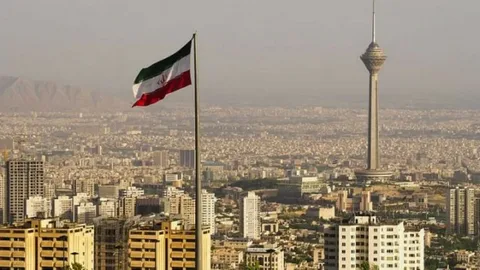
Iran, officially known as the Islamic Republic of Iran, is a country with a deep and complex history that stretches back thousands of years. Located in Southwestern Asia, it sits at a cultural and geopolitical crossroads between the Middle East and Central Asia.
Historic Legacy
Iran’s history as a political entity began with the rise of the Achaemenid Empire around 550 BCE, one of the largest empires the ancient world had ever seen. The arrival of Islam in the 7th century CE transformed the area, blending Persian cultural traditions with Islamic civilization.
Over centuries, Iran produced world-renowned poets and thinkers like Hafez, Rumi, Saadi, and Ferdowsi, whose works remain central to Persian-language culture and world literature. The enduring influence of Persian language and culture is seen across Central and South Asia to this day.
Political Transformation and Modern Government
In the early 20th century, Iran underwent rapid social and political changes. The 1979 Islamic Revolution marked a dramatic turning point, overthrowing the monarchy of Shah Mohammad Reza Pahlavi and establishing an Islamic Republic. Under this system, political authority is shared between democratic institutions and religious leadership, with the Supreme Leader holding significant power.
The revolution shaped Iran’s domestic policies and its relations with the wider world.
Culture and Society
Iranian culture is extraordinarily diverse. Ethnically, the nation includes Persians, Azeris, Kurds, Baluch, and many other groups.
Art, poetry, architecture, and music are central pillars of Iranian identity. From the stunning tile work of mosques in Isfahan to the ancient ruins of Persepolis, the country’s historical sites draw millions of visitors.
Economic Landscape
It is one of the world’s major oil producers and holds significant reserves of natural gas.
As of early 2026, Iran was facing its deepest economic crisis in decades, with inflation dramatically reducing purchasing power and millions of people living with economic hardship.
Social Unrest and Contemporary Issues
Recent years have seen waves of protests across Iran.</p>
Conclusion
Iran stands as a nation of contrasts: ancient culture and modern turbulence, resource wealth and economi
c struggle, deep tradition and youthful aspirations. As Iran navigates internal pressures and external challenges in 2026, its story remains one of complexity and profound historical depth.




Comments are closed