


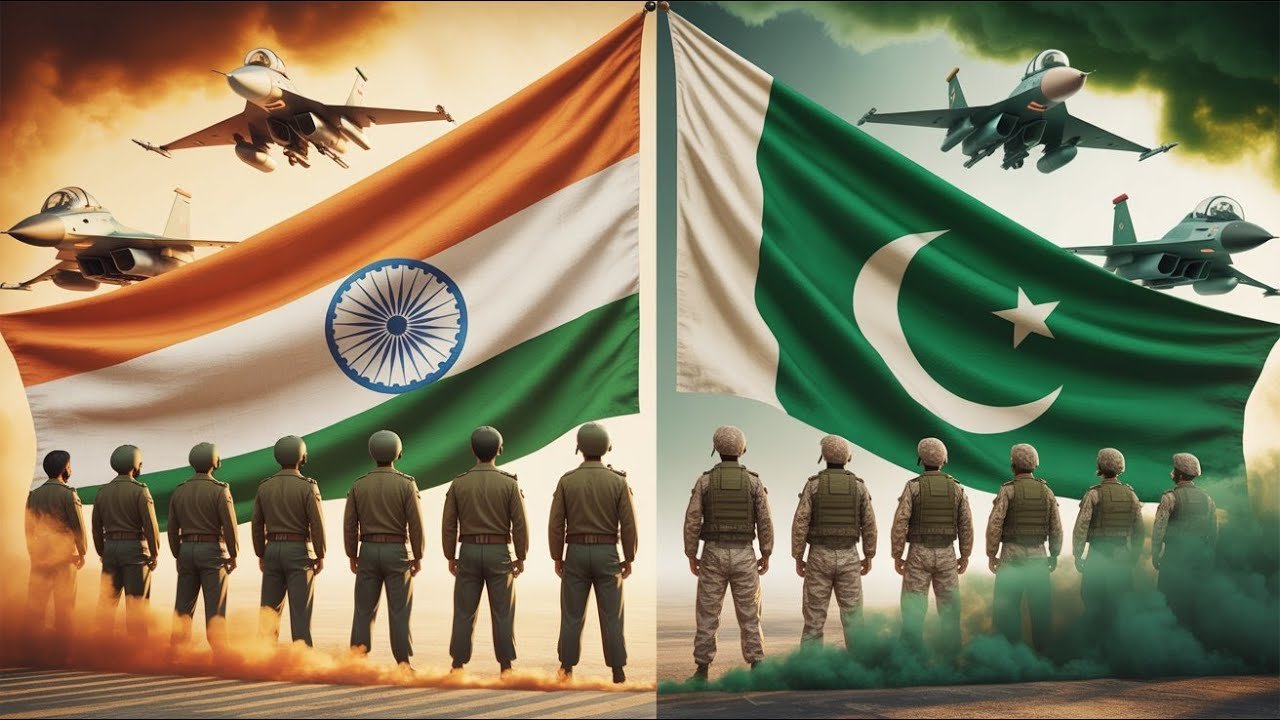
India and Pakistan share one of the most complex and sensitive relationships in South Asia. Government issues between the two nuclear-armed neighbors continue to influence regional stability, diplomacy, and security policies. From border tensions to diplomatic disagreements, the latest developments show that relations remain fragile. This blog explains the most recent government-level issues between India and Pakistan and what they could mean for the future.
Overview of Current India-Pakistan Relations
Relations between India and Pakistan have remained strained for many years. Diplomatic ties are limited, trade relations are minimal, and high-level talks are rare. While there have been periods of calm, underlying disputes continue to affect government policies on both sides.
The relationship is shaped by historical conflicts, security concerns, and political pressures within each country. As a result, even small incidents can quickly escalate into major diplomatic tensions.
Kashmir Dispute Remains Central
The Kashmir issue continues to be the most important government dispute between India and Pakistan. Both countries claim the region in full but control different parts of it. Any political or security development in Kashmir often leads to strong reactions from both governments.
India maintains that Kashmir is an internal matter, while Pakistan continues to raise the issue at international forums. Periodic ceasefire violations along the Line of Control also keep tensions alive, although recent years have seen relatively fewer large-scale escalations compared to the past.
Border Security and Military Concerns
Security along the India-Pakistan border remains a key government focus. Both countries maintain heavy military presence near sensitive zones. Issues such as cross-border firing, infiltration claims, and military exercises often lead to diplomatic protests.
Military preparedness and defense spending continue to be priorities for both governments. While major conflict has been avoided in recent years, the security environment remains cautious and closely monitored.
Diplomatic Engagement and Communication Gaps
Formal diplomatic engagement between India and Pakistan is currently limited. High-level talks have been infrequent, and ambassadors have not always been fully restored at the same time. Communication gaps between governments sometimes increase misunderstanding and mistrust.
However, backchannel contacts and ceasefire understandings have occasionally helped reduce tensions. Many regional experts believe sustained dialogue is necessary for long-term stability.
Trade and Economic Relations
Economic ties between India and Pakistan remain weak. Trade restrictions and political tensions have significantly reduced bilateral commerce. In the past, limited trade provided some economic cooperation, but recent government policies on both sides have kept trade volumes low.
Business communities in both countries have occasionally expressed interest in normalized trade, but political conditions have not yet supported major progress.
Water and Regional Policy Issues
Water sharing under the Indus Waters Treaty continues to be an important government matter. Although the treaty has survived multiple crises, technical disputes and political rhetoric sometimes create tension.
Regional developments in Afghanistan and broader South Asian geopolitics also influence how both governments approach each other. Strategic concerns often shape foreign policy decisions in New Delhi and Islamabad.
Public Sentiment and Political Pressure
Domestic politics in both countries strongly affects government positions. Public opinion, media narratives, and election cycles often harden official stances. Leaders on both sides must balance diplomatic flexibility with domestic political expectations.
This internal pressure sometimes makes rapid diplomatic breakthroughs difficult, even when tensions temporarily ease.
Looking Ahead: Possibility of Dialogue
Despite ongoing challenges, many analysts believe there is still space for cautious engagement between India and Pakistan. Confidence-building measures, continued ceasefire adherence, and limited technical talks could help maintain stability.
Long-term improvement, however, would likely require sustained political will, consistent dialogue, and trust-building steps from both governments.
Conclusion
The latest government issues between India and Pakistan show that the relationship remains complex and sensitive. The Kashmir dispute, security concerns, limited trade, and diplomatic gaps continue to shape interactions between the two countries.
While open conflict is currently avoided, true normalization will require careful diplomacy and long-term commitment from both sides. For now, the region continues to watch closely as India and Pakistan manage one of the world’s most closely followed rivalries.


Comments are closed