


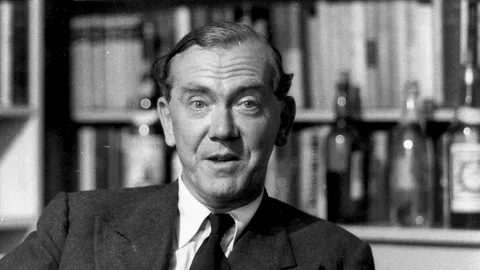
The world of literature is filled with writers who have left an unforgettable mark through their works, and among them, Graham Greene stands out as one of the greatest. Known for his deep understanding of human emotions, moral dilemmas, and political conflicts, Greene crafted stories that combined suspense with psychological insight. His novels and short stories continue to resonate with readers because they reveal not just the struggles of individuals but also the tensions of entire societies.
Early Life and Background
Graham Greene was born in 1904 in Berkhamsted, England. His upbringing was shaped by both privilege and conflict, as his father was the headmaster of the school Greene attended. Growing up in this environment was not easy for him, and he often felt like an outsider. This sense of displacement would later become a recurring theme in many of his works, where characters struggle with belonging and identity.
During his youth, Greene battled with bouts of depression and even attempted to escape the rigid structure of his early life. Literature became his refuge, and he began writing at a young age. His passion eventually led him to study at Oxford University, where he developed his craft further.
Career as a Writer
Greene’s career took off in the 1920s and 1930s when he began working as a journalist. His experiences in journalism influenced his writing style, giving it a sharpness and clarity that made his novels engaging. His early works gained attention, but it was books like Brighton Rock and The Power and the Glory that established him as a leading literary figure.
What makes Graham Greene unique is his ability to merge thrilling plots with profound moral questions. Unlike many writers of his time who focused solely on style or entertainment, Greene sought to explore the darker side of the human spirit. His novels often combined elements of crime, politics, religion, and personal struggle, creating a genre of his own that critics later called “entertainments” and “serious novels.”
Themes in His Writing
Greene’s works are defined by recurring themes that give them both depth and universality.
Moral Dilemmas
At the heart of many of his stories lies the question of right and wrong. His characters often face decisions that test their conscience, highlighting the complexity of morality.
Faith and Religion
Having converted to Catholicism, Greene frequently examined the role of faith in human life. Novels such as The Heart of the Matter and The End of the Affair reveal characters torn between spiritual obligations and worldly desires.
Politics and Conflict
Greene’s travels to conflict zones gave him firsthand knowledge of political struggles. This experience is reflected in works like The Quiet American, which dealt with the tensions in Vietnam during the 1950s.
Isolation and Belonging
Many of his characters are outsiders, mirroring Greene’s own feelings of alienation. This theme adds an emotional intensity that readers can easily relate to.
Greene as a Traveler and Observer
Travel played an essential role in shaping Greene’s writing. He visited Africa, Latin America, and Asia, often immersing himself in areas marked by unrest. His travels were not just personal adventures but also research for his novels. By observing people in different settings, he was able to portray political instability, cultural clashes, and moral ambiguity with authenticity.
Contributions to Literature and Film
In addition to novels, Greene also wrote short stories, plays, and screenplays. Some of his works were adapted into successful films, such as The Third Man, which remains a classic in cinema history. His ability to craft suspenseful plots made him a favorite among filmmakers.
Greene’s style influenced not only literature but also popular culture. Writers, journalists, and directors drew inspiration from his ability to blend political commentary with gripping storytelling. His works continue to be studied in schools and universities worldwide, ensuring that his legacy endures.
Personal Struggles
Despite his success, Greene’s personal life was complex. He often described himself as divided between light and darkness, faith and doubt. These inner conflicts gave his writing authenticity, as he wrote not from theory but from experience. His honesty about human weaknesses made his characters real and relatable.
Legacy of Graham Greene
Graham Greene passed away in 1991, but his works remain timeless. Readers continue to find meaning in his exploration of human flaws, spiritual struggles, and social conflicts. He is remembered not just as a storyteller but as a writer who dared to confront the difficult questions of existence.
His novels appeal to readers of different generations because they balance entertainment with substance. Whether one reads his political thrillers or his more reflective novels, the result is always the same: an encounter with the complexity of human life.
Conclusion
Graham Greene was more than a novelist; he was an observer of the human condition. Through his powerful stories, he revealed the struggles of faith, the challenges of morality, and the consequences of political turmoil. His ability to create suspenseful yet meaningful narratives made him one of the most respected writers of the twentieth century. Greene’s legacy continues to inspire readers, writers, and thinkers who seek to understand the delicate balance between light and darkness in human life.








Comments are closed