


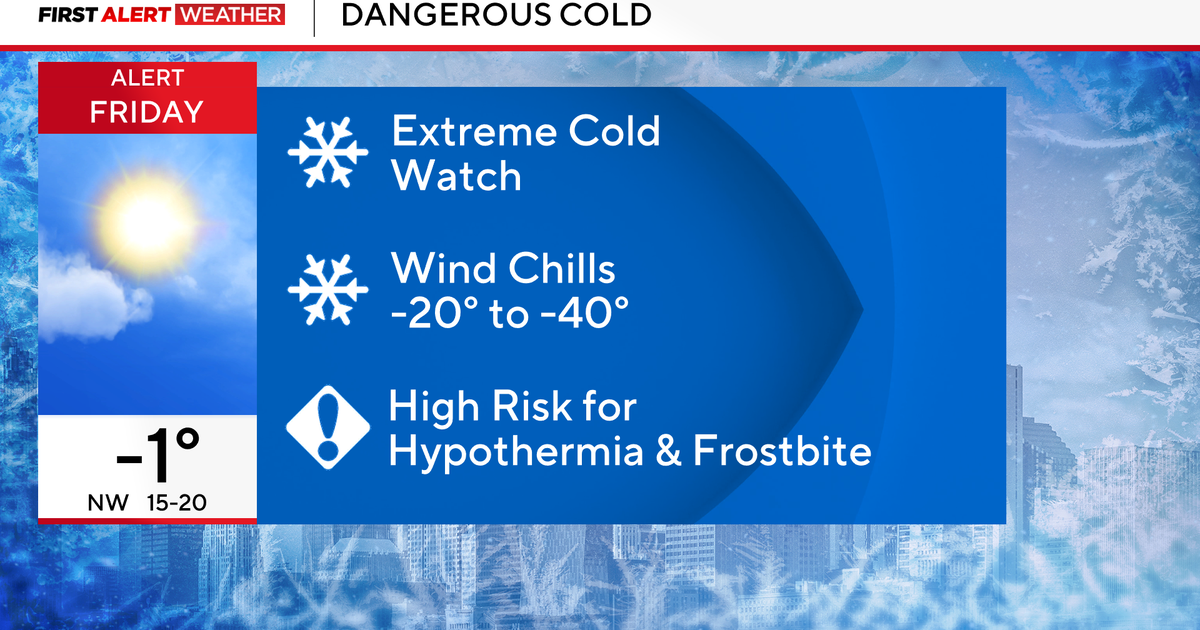
An extreme cold watch is an important weather alert issued when dangerously low temperatures are expected in a region. These conditions can pose serious risks to human health, animals, infrastructure, and transportation. As winters become more unpredictable, understanding what an extreme cold watch means has become essential for public safety.
Such warnings are designed to help communities prepare before temperatures reach life-threatening levels.
What Is an Extreme Cold Watch
An extreme cold watch indicates that extremely low temperatures or wind chills may develop within the next few days. It is not a guarantee but a strong signal that severe cold conditions are possible.
Weather agencies issue this alert when forecasts suggest temperatures could fall low enough to cause frostbite, hypothermia, or equipment failure. The watch gives people time to plan and take safety precautions in advance.
It differs from a warning, which is issued when the dangerous cold is already occurring or expected very soon.
Why Extreme Cold Is Dangerous
Extreme cold affects the body faster than many people realize. When exposed to freezing temperatures, heat escapes from the body rapidly. This can lead to frostbite on exposed skin and hypothermia, a condition where body temperature drops below safe levels.
Children, older adults, and individuals with medical conditions face higher risks. Pets and livestock are also vulnerable, especially without proper shelter.
In addition to health dangers, extreme cold can damage water pipes, disrupt power systems, and create hazardous travel conditions.
Common Causes of Extreme Cold Events
Extreme cold watches are often linked to Arctic air masses moving southward. These systems push freezing air into regions that may not normally experience such temperatures.
Strong winter storms, polar vortex shifts, and high-pressure systems can all contribute to prolonged cold spells. Climate patterns influence how frequently and severely these events occur.
While winter cold is natural, sudden temperature drops increase the potential for emergencies.
Wind Chill and Its Impact
Wind chill plays a major role in extreme cold alerts. Even when the air temperature seems manageable, strong winds can make it feel significantly colder.
Wind chill increases heat loss from exposed skin, causing frostbite to occur in minutes under severe conditions. Weather forecasts often highlight wind chill values to emphasize the real danger outdoors.
Understanding wind chill helps people make safer decisions during extreme cold watch periods.
How to Prepare for an Extreme Cold Watch
Preparation is the most effective defense against extreme cold. Homes should be insulated properly, and heating systems should be checked before temperatures drop.
Pipes should be protected from freezing, and emergency supplies such as blankets, food, batteries, and flashlights should be readily available. Keeping mobile devices charged is also important in case of power outages.
Travel should be limited when possible, as icy roads and reduced visibility increase accident risks.
Safety Tips During Extreme Cold
Wearing layered clothing helps trap body heat. Hats, gloves, scarves, and insulated footwear protect the areas most vulnerable to frostbite.
Time spent outdoors should be limited, especially during nighttime and early morning hours when temperatures are lowest. Checking on neighbors, especially the elderly, can prevent serious health emergencies.
Pets should be brought indoors, and outdoor animals should have warm shelter and unfrozen water.
Economic and Environmental Effects
Extreme cold can place heavy strain on local infrastructure. Power demand rises sharply, increasing the risk of outages. Transportation systems may slow or shut down entirely.
Agriculture can suffer losses when livestock and crops are exposed to severe freezing temperatures. Local economies may also experience disruption as businesses close and travel becomes unsafe.
These impacts highlight why early warnings such as extreme cold watches are essential.
Role of Weather Monitoring
Modern forecasting technology plays a critical role in issuing extreme cold watches. Meteorologists analyze satellite data, atmospheric pressure, and temperature trends to predict cold outbreaks.
Accurate monitoring allows communities to prepare days in advance, reducing injuries and property damage. Public awareness and timely response significantly improve safety outcomes.
Weather alerts are most effective when people understand and respect their purpose.
Staying Informed During Cold Events
Reliable weather updates should be monitored regularly during winter. Temperature forecasts can change quickly, and watches may be upgraded to warnings if conditions worsen.
Local authorities often provide guidance on warming centers, travel restrictions, and emergency services. Following official instructions helps reduce unnecessary risks.
Awareness and preparation remain key elements of winter safety.
Final Thoughts
An extreme cold watch is more than just a weather notice. It is an early signal that dangerous conditions may soon arrive. Taking the alert seriously can protect lives, property, and communities.
By understanding the risks, preparing early, and following safety guidelines, individuals can face severe winter weather with greater confidence. As climate patterns continue to shift, staying informed about extreme cold watches will remain an essential part of seasonal readiness.


Comments are closed