


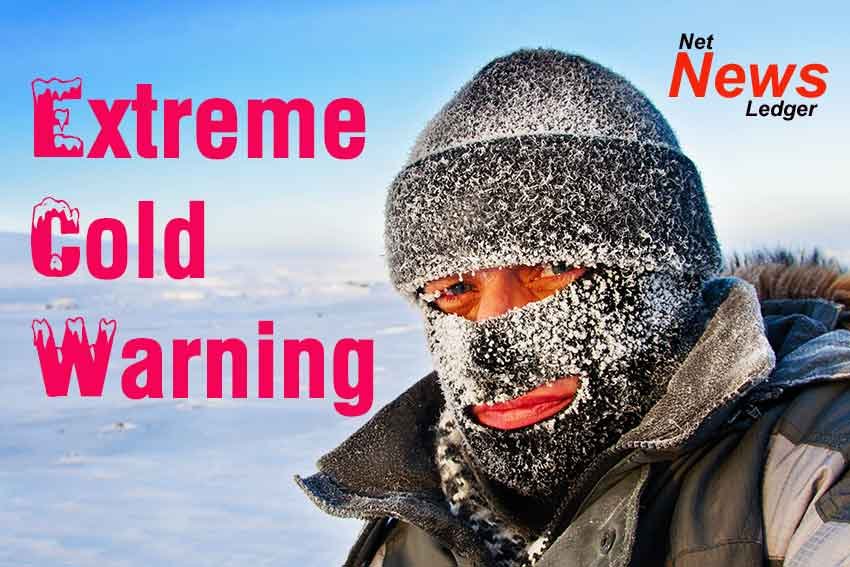
An extreme cold warning is issued when dangerously low temperatures pose a serious risk to human health, infrastructure, and daily life. These warnings are becoming more frequent in many regions due to shifting weather patterns and polar air outbreaks. When temperatures fall far below normal levels, even short exposure can lead to severe medical emergencies.
Understanding an extreme cold warning and knowing how to prepare can help reduce risks and protect lives.
What Is an Extreme Cold Warning
An extreme cold warning is announced by meteorological authorities when temperatures or wind chills are expected to reach life-threatening levels. These conditions can cause frostbite within minutes and significantly increase the risk of hypothermia.
The warning typically means:
• Temperatures far below seasonal averages
• Wind chills that feel much colder than actual temperature
• High risk to people, animals, and property
During such conditions, authorities strongly advise limiting outdoor activity.
Why Extreme Cold Is Dangerous
Extreme cold affects the human body faster than many people realize. Low temperatures reduce blood circulation, slow organ function, and strain the heart.
Health risks include:
• Frostbite on fingers, toes, ears, and face
• Hypothermia due to loss of body heat
• Increased heart attacks and respiratory issues
• Higher risk for elderly people and children
Cold weather also increases accidents caused by icy roads, frozen equipment, and power outages.
Common Causes of Extreme Cold Events
Extreme cold warnings are usually triggered by large-scale weather systems. Some of the most common causes include:
• Polar vortex movement pushing Arctic air south
• Strong winter storms combined with high winds
• Snow-covered ground reflecting heat away
• Long nights reducing surface warming
When these factors combine, temperatures can drop rapidly within hours.
How Extreme Cold Affects Daily Life
During an extreme cold warning, daily routines can be heavily disrupted.
Transportation becomes dangerous due to icy roads and poor visibility. Schools and offices may close, and flight delays often increase. Water pipes can freeze and burst, causing property damage.
Power demand rises sharply as heating systems work continuously, sometimes leading to outages. Outdoor workers face increased danger, while homeless populations are especially vulnerable.
Safety Tips During an Extreme Cold Warning
Taking precautions is essential when an extreme cold warning is issued.
Stay indoors as much as possible, especially during nighttime and early morning hours. If you must go outside, dress in multiple layers, including thermal clothing, gloves, hats, and insulated footwear.
Additional safety measures include:
• Keep exposed skin fully covered
• Avoid alcohol, which increases heat loss
• Maintain indoor heating safely
• Keep emergency supplies ready
• Check on elderly neighbors and relatives
Even brief exposure without proper protection can be harmful.
Protecting Homes and Property
Extreme cold can severely damage homes if precautions are not taken.
Allow indoor faucets to drip slightly to prevent frozen pipes. Insulate exposed plumbing and seal air leaks around windows and doors. Keep garage doors closed and maintain a consistent indoor temperature.
Backup heating sources should be used carefully and never indoors without proper ventilation. Carbon monoxide poisoning is a serious risk during winter emergencies.
Impact on Animals and Livestock
Pets and livestock are also vulnerable during extreme cold warnings. Animals should be brought indoors or provided with insulated shelters.
Pets should not be left outside for extended periods. Ensure access to unfrozen water and adequate food, as animals burn more energy to stay warm.
Livestock owners must monitor water systems, provide wind protection, and increase feed intake during extreme cold spells.
Signs of Frostbite and Hypothermia
Recognizing early symptoms can save lives.
Frostbite signs include numbness, pale or gray skin, and hard or waxy texture. Hypothermia symptoms include shivering, confusion, slurred speech, fatigue, and loss of coordination.
Anyone showing these symptoms should be moved to a warm place immediately and receive medical attention.
Climate Patterns and Increasing Cold Extremes
Although global temperatures are rising overall, extreme cold events still occur. Climate scientists explain that unstable jet stream patterns can allow Arctic air to travel farther south than usual.
This means sudden temperature drops may continue to affect regions not accustomed to severe winter conditions, increasing the importance of preparedness.
What to Do After the Warning Ends
Even after temperatures begin to rise, hazards may remain. Ice-covered roads, weakened power lines, and damaged infrastructure can persist for days.
Inspect homes for frozen pipes, avoid unnecessary travel, and stay updated with local advisories. Gradual warming can also lead to flooding from melting snow and ice.
Conclusion
An extreme cold warning is a serious alert that should never be ignored. These weather conditions can threaten health, safety, and essential services within a short period of time.
By understanding the risks, preparing early, and following safety guidelines, individuals and communities can significantly reduce danger. Staying informed and cautious during extreme cold events is the best defense against one of winter’s most powerful threats.


Comments are closed