


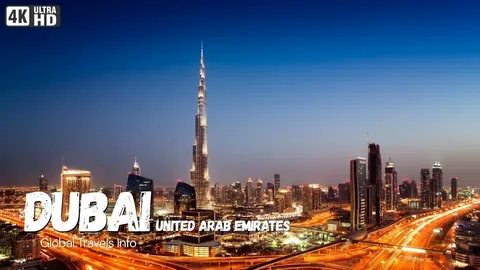
Dubai is one of the most dynamic and fascinating cities in the world. Located in the United Arab Emirates (UAE), Dubai has transformed itself from a small fishing and pearl-diving village into a global hub for tourism, business, and innovation. Over the past few decades, the city has become a symbol of ambition, modern architecture, and economic growth.
A Journey from Desert to Metropolis
Before the discovery of oil in the 20th century, Dubai’s economy relied heavily on fishing, pearl diving, and trade. Its strategic location along major trading routes helped it develop into an important commercial center in the Gulf region. However, it was the discovery of oil in the 1960s that accelerated Dubai’s development. The leadership wisely invested oil revenues into infrastructure, trade, aviation, and tourism, ensuring long-term economic sustainability beyond oil.
Today, Dubai is known for its futuristic skyline and record-breaking structures. The most iconic of them all is the Burj Khalifa, the tallest building in the world, which stands as a symbol of Dubai’s ambition and architectural excellence. Visitors from around the globe travel to see this engineering marvel and enjoy breathtaking views from its observation decks.
A Global Business Hub
Dubai has positioned itself as a major international business center. With tax-friendly policies, free trade zones, and world-class infrastructure, the city attracts entrepreneurs and multinational corporations alike. Areas such as the Dubai International Financial Centre (DIFC) serve as major financial hubs connecting markets in Europe, Asia, and Africa.
The aviation industry also plays a key role in Dubai’s success. Emirates Airline, one of the world’s leading airlines, has turned Dubai International Airport into one of the busiest airports for international travel. This connectivity has made Dubai a central meeting point for global business and tourism.
Luxury and Lifestyle
Dubai is often associated with luxury and high-end living. From seven-star hotels like the Burj Al Arab to extravagant shopping malls such as The Dubai Mall, the city offers world-class experiences. Visitors can shop for international brands, dine at Michelin-starred restaurants, or enjoy desert safaris and yacht cruises along the Arabian Gulf.
The city is also known for hosting major global events, including international expos, fashion shows, and sporting events. These activities reinforce Dubai’s image as a city that never stops growing and innovating.
Culture and Diversity
Despite its modern image, Dubai has preserved its cultural heritage. The Al Fahidi Historical District offers a glimpse into traditional Emirati architecture and lifestyle. Visitors can explore museums, art galleries, and traditional markets known as souks, where spices, gold, and textiles are sold.
Dubai is one of the most multicultural cities in the world. With expatriates making up a large portion of the population, the city is home to people from hundreds of nationalities. This diversity creates a unique cultural blend where different traditions, cuisines, and languages coexist harmoniously.
Islamic traditions continue to shape the social fabric of the city. Mosques, cultural festivals, and national celebrations reflect the values and history of the UAE. At the same time, Dubai maintains a modern and open environment that welcomes tourists and residents from across the globe.
Challenges and Future Vision
Like any rapidly growing city, Dubai faces challenges such as environmental sustainability, climate conditions, and economic diversification. However, the government has introduced ambitious initiatives focusing on renewable energy, smart city technology, and sustainable urban planning.
Projects such as Dubai Vision 2030 aim to further strengthen the economy, enhance quality of life, and promote innovation. Investments in artificial intelligence, space exploration, and green energy show that Dubai is not only focused on the present but also preparing for the future.
Conclusion
Dubai represents a remarkable success story of transformation and ambition. From desert landscapes to towering skyscrapers, from traditional souks to luxury malls, the city blends history with innovation. Its strategic planning, economic vision, and multicultural environment make it one of the most influential cities in the modern world.
As Dubai continues to evolve, it remains a symbol of possibility — proving that with determination, planning, and vision, even a desert city can become a global powerhouse.







Comments are closed