


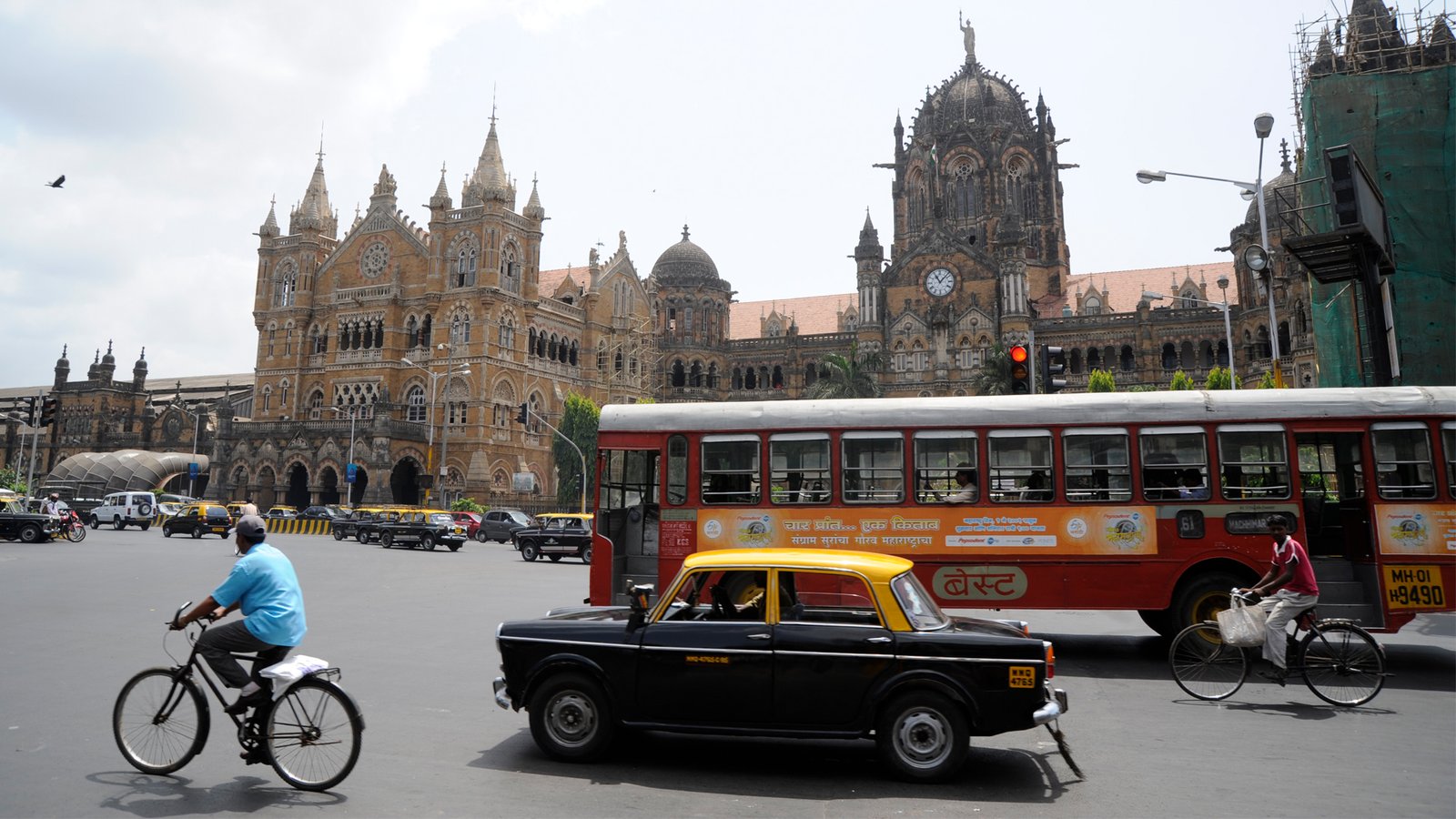
Bombay, now officially called Mumbai, is one of India’s most famous and powerful cities. Located on the western coast in Maharashtra, the city is known for finance, films, and fast-paced life. Many people still use the name Bombay, but Mumbai is the official name today.
This article explains the history why the name changed, and why Mumbai remains so important in modern India.
Origin of the Name Bombay
The name Bombay has colonial roots. When the Portuguese arrived in the 16th century, they called the area “Bom Bahia,” which means “good bay.” Later, the British anglicized the name to Bombay.
During British rule grew into a major port and commercial center. The name became globally recognized through trade, shipping, and business.
However, many locals continued to use traditional names connected to regional culture.
Why Bombay Was Renamed Mumbai
In 1995, the Maharashtra government officially changed Bombay to Mumbai. The new name comes from Mumba Devi, the city’s local patron goddess.
The renaming aimed to:
-
Reflect Marathi language and culture
-
Remove colonial influence
-
Strengthen regional identity
Today, Mumbai is the official name used in government records, maps, and media. Still, some institutions and older residents continue using Bombay out of habit.
Historical Growth of the City
Originally consisted of seven small islands inhabited by fishing communities. Over time, land reclamation projects joined the islands into one large city.
Under British rule, Bombay developed rapidly because of:
-
A natural deep-sea port
-
Railway expansion
-
Textile mill industry
-
International trade routes
By the early 1900s, Bombay had become one of the most important cities in British India.
Mumbai as India’s Financial Capital
Modern Mumbai is the financial powerhouse of India. The city hosts major economic institutions, including
Mumbai contributes a significant share to India’s economy. Its business districts, especially Nariman Point and Bandra-Kurla Complex, attract investors from around the world.
Because of job opportunities, millions of people migrate to Mumbai every year.
Cultural Significance and Bollywood
Mumbai is not only about money and business. It is also the heart of India’s entertainment industry. Bollywood, the world’s largest Hindi film industry, is based here.
The city’s culture is shaped by diversity. People from different states, religions, and languages live together, making Mumbai one of the most cosmopolitan cities in Asia.
Popular landmarks include:
-
Gateway of India
-
Marine Drive
-
Chhatrapati Shivaji Terminus
-
Juhu Beach
These attractions make Mumbai a major tourist destination.
Bombay vs Mumbai: Which Name Should You Use
Officially, Mumbai is the correct modern name. It is used in:
-
Government documents
-
News media
-
Maps and international references
However, Bombay still appears in historical contexts and in names of some old institutions like Bombay High Court Stock Exchange.
In simple terms:
-
Bombay = historical/colonial name
-
Mumbai = official modern name
Conclusion
Now ths, is a city with a rich past and a powerful present. From seven small islands to India’s financial and film capital, its journey is remarkable. While the name Bombay carries historical nostalgia, Mumbai reflects the city’s true cultural identity today.
Whether you call it Mumbai, the city remains a symbol of opportunity, diversity, and unstoppable growth.

Comments are closed