


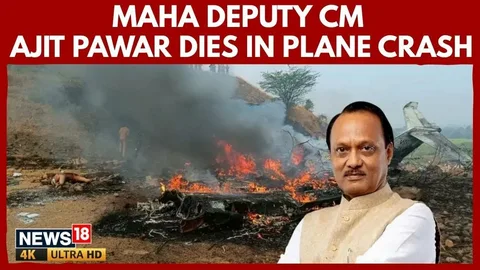
Ajit Pawar is one of the most influential and frequently discussed political figures in Maharashtra.
As the nephew of Sharad Pawar, one of India’s most prominent political leaders, he grew up observing governance, strategy, and grassroots politics closely. This background helped him develop a practical understanding of political organization and public administration. His early involvement in cooperative institutions and local governance laid a solid foundation for his future in state politics.
Rise in Maharashtra Politics
Over time, he emerged as a dependable strategist within his party, often entrusted with managing complex political situations. His repeated electoral successes established him as a leader with strong grassroots support.
Role as Deputy Chief Minister
One of the defining aspects of Ajit Pawar’s career has been his multiple tenures as Deputy Chief Minister of Maharashtra. In this role, he has overseen key departments, most notably finance.
Influence on Development and Policy
His focus on irrigation, agriculture, and cooperative institutions reflects an understanding of the state’s socio-economic structure. He has consistently argued that sustainable development requires strong financial planning and effective implementation at the ground level. His policy positions often emphasize pragmatism over ideology, which has helped him navigate coalition politics in a complex political environment.
Controversies and Public Scrutiny
Like many powerful political figures, Ajit Pawar’s career has not been free from controversy.
Legacy and Ongoing Impact
For supporters, he represents strong governance, experience, and administrative competence. For critics, he symbolizes the challenges of concentrated political power. As the state continues to evolve, Ajit Pawar’s actions and decisions will likely remain central to its political narrative.


Comments are closed