


Introduction
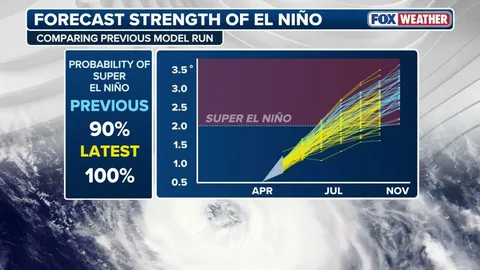
The 2026 El Niño intensity forecast is attracting worldwide attention as scientists and climate experts closely monitor changes in the Pacific Ocean. El Niño is one of the most important climate patterns on Earth because it can influence temperatures, rainfall, storms, and weather systems across many countries. Forecasts for 2026 indicate that a moderate to possibly strong El Niño event may develop, raising concerns about extreme weather conditions and climate-related challenges.
As global temperatures continue to rise, understanding the possible intensity of El Niño in 2026 has become important for governments, farmers, businesses, and environmental agencies. Experts believe that this climate event could affect agriculture, water supplies, energy demand, and disaster management in different regions around the world.
What Is El Niño?
El Niño is a natural climate phenomenon that occurs when the surface waters of the central and eastern Pacific Ocean become warmer than normal. It is part of the El Niño-Southern Oscillation cycle, commonly known as ENSO. This cycle has two major phases: El Niño and La Niña.
During El Niño, warmer ocean temperatures weaken normal wind patterns and change atmospheric circulation. These changes influence weather systems globally, often causing heavy rainfall in some regions and drought in others.
El Niño events usually occur every few years and can last from several months to more than a year. The strength of each event depends on how much ocean temperatures rise above average levels.
2026 El Niño Intensity Forecast
Climate models and seasonal weather forecasts suggest increasing chances of El Niño development during 2026. Scientists are observing warming ocean temperatures in the tropical Pacific, which may continue strengthening throughout the year.
According to early predictions, the 2026 El Niño could range from moderate to strong intensity. Some climate experts even warn that ocean temperatures could reach levels associated with major historical El Niño events.
Meteorologists use several indicators to estimate El Niño intensity, including: Sea surface temperature anomalie Trade wind strengtAtmospheric pressure patterns Subsurface ocean heat Satellite climate observations
If these indicators continue showing warming trends, the event could become stronger during late 2026.
Possible Global Temperature Rise
One of the biggest concerns linked to El Niño is the increase in global temperatures. Warm Pacific waters release additional heat into the atmosphere, contributing to hotter weather conditions worldwide.
Scientists believe that a strong El Niño in 2026 could push global temperatures to record highs. Heatwaves may become more frequent and intense in many countries, increasing health risks and energy demand.
Cities already struggling with high summer temperatures may experience: Increased heat stress Higher electricity usage Water shortages Greater wildfire risks
The combination of climate change and El Niño could further intensify extreme heat events.
Heavy Rainfall and Flood Risks
El Niño often brings above-average rainfall to several regions, especially parts of North and South America. Heavy storms and flooding can damage homes, roads, crops, and public infrastructure.
Countries near coastal areas may face stronger rainstorms, leading to: Urban flooding Landslides Transportation disruptions Property damage
Communities living near rivers and low-lying regions are usually at higher risk during strong El Niño years.
Governments are already preparing emergency response plans to reduce the impact of possible flood disasters in 2026.
Drought and Water Shortages
While some regions receive heavy rainfall, other areas may experience severe drought conditions. El Niño commonly reduces rainfall in Australia, Southeast Asia, and parts of Africa.
Long periods without rain can affect: Agriculture Drinking water supplies Hydropower production Forest ecosystems
Drought conditions can also increase wildfire activity, especially in dry and forested areas. Farmers may struggle with crop failures and reduced livestock productivity if rainfall remains below normal levels.
Impact on Agriculture
The agriculture industry is highly sensitive to changing weather conditions. A strong El Niño event can disrupt food production and affect global food prices.
Excessive rainfall may destroy crops through flooding and soil erosion, while drought can reduce harvests and damage farmland. Important crops such as wheat, rice, corn, and soybeans could face production challenges in several countries.
Food supply disruptions may lead to: Rising food prices Reduced exportsEconomic losses for farmersIncreased pressure on food security systems
Many governments and agricultural organizations are monitoring climate forecasts carefully to prepare for potential risks.
Effects on Marine Life and Fisheries
Warmer ocean temperatures during El Niño can also impact marine ecosystems. Fish populations often move to cooler waters, affecting fishing industries and coastal economies.
Coral reefs are particularly vulnerable because rising ocean temperatures can cause coral bleaching. Marine biodiversity may suffer if warming conditions continue for extended periods.
Fishing communities that depend on stable ocean conditions could experience financial losses due to changing fish migration patterns.
Scientific Monitoring and Forecast Updates
Although forecasts suggest a possible strong El Niño in 2026, climate experts emphasize that weather predictions remain uncertain. Ocean and atmospheric systems are complex, and conditions can change rapidly.
Scientists continue monitoring: Pacific Ocean temperatures Climate model simulations Wind and pressure systemsSatellite weather data
Forecast accuracy usually improves as the event develops, allowing better preparation for potential climate impacts.
Conclusion
The 2026 El Niño intensity forecast indicates that the world may experience significant climate disruptions during the coming year. Rising global temperatures, heavy rainfall, drought conditions, and agricultural challenges are among the major concerns linked to this climate phenomenon.
Although uncertainty still exists regarding the exact strength of the event, scientists are closely monitoring Pacific Ocean conditions to provide updated forecasts. Governments, industries, and communities worldwide are preparing for possible weather extremes and environmental impacts.
Understanding the 2026 El Niño intensity forecast is important for climate planning, disaster preparedness, and protecting both economies and ecosystems from future climate risks.


Comments are closed